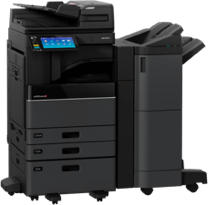
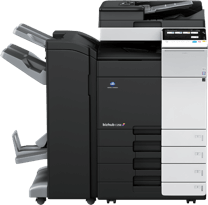
Commercial printing enables businesses to produce high-quality brochures, reports, signage, and marketing materials using digital, offset, and large-format technologies. Choosing the right partner means evaluating print quality standards, technology capabilities, cost efficiency, and long-term support. Busys equips companies with reliable commercial-grade printers and expert configuration to ensure consistent results, lower printing costs, and smooth workflows.
Commercial printing is a vital component of how businesses communicate, market, and conduct their operations. From brochures and sales materials to reports, signage, and packaging, the right print partner ensures your brand looks polished and consistent across every touchpoint. And while most businesses require printed materials regularly, many are unfamiliar with the commercial printing process or how to assess whether a printer can deliver the quality and reliability they expect.
This guide breaks down what commercial printing actually is, what to look for when choosing a professional partner, and how Busys supports Canadian businesses with reliable commercial printing services through high-performance printers, expert configuration, and long-term service support.
What Is Commercial Printing?
Commercial printing involves producing high-volume, high-quality printed materials using professional equipment that surpasses the capabilities of standard office machines. In the commercial printing industry, businesses rely on technologies such as digital printing, offset printing, screen printing, and large format printing to generate consistent, colour-accurate, and durable results.
Unlike home or office printers, commercial printers are explicitly built for:
- Faster print speeds
- Higher monthly volumes
- Sharper colour accuracy
- Professional finishing options
- Consistency across long print runs
Commercial printing services support a wide range of applications, including marketing brochures, event materials, signage, packaging, and branded collateral. In short, if your printed assets must reflect a polished, credible brand image, commercial printing is the standard.
Understanding the Commercial Printing Process
The commercial printing process varies depending on the technology used, but it typically includes:
- File preparation: Ensuring design files are sized correctly, use CMYK colours, and meet print specifications
- Proofing: Reviewing a digital or physical proof before the final run
- Production: Printing via offset printing, digital printing, or screen printing, depending on the job
- Finishing: Cutting, folding, binding, laminating, collating, or other enhancements
- Quality checks: Ensuring colour consistency and alignment meet print quality standards
A strong commercial partner will walk you through each stage and help you avoid issues like colour shifts, resolution loss, mismatched margins, or paper stock inconsistencies.
| With Busys, this process becomes easier because our commercial-grade devices support advanced printing technology that ensures colour accuracy, sharpness, and efficient workflows right inside your business. |
Commercial Printing Technologies Explained
Choosing the right technology begins with understanding the three most common methods used in the printing industry today.
1. Digital Printing
Digital printing is ideal for short runs, fast turnaround, and personalized materials. It requires zero setup plates, making it cost-effective and flexible for small or variable print jobs.
Digital printing is best for:
- Brochures
- Flyers
- Business cards
- Training materials
- Personalized or variable-data prints
Busys supports businesses with commercial-grade digital printing devices from HP, Canon, Toshiba, and Konica Minolta, providing teams with the speed and colour consistency required for everyday commercial printing services.
2. Offset Printing
Offset printing is the industry gold standard for high-volume, colour-critical jobs. It uses plates and ink transfer to deliver unmatched precision and cost efficiency at scale.
Offset printing is best for:
- Magazines
- Catalogues
- Packaging
- Large-run brochures
- Corporate reports
While offset printing is typically outsourced, many Busys clients bring their proofing, sampling, or short-run needs in-house using digital machines configured to replicate offset accuracy.
3. Screen Printing
Screen printing pushes ink through mesh screens and is ideal for thick, durable applications.
Used for:
- Fabric prints
- Signage
- Labels and decals
- Specialty textures
While Busys does not sell screen printers directly, our commercial printers support the early design and proofing stages that feed into screen printing production.

Image Source: Canva
Large Format Printing for Business
Large format printing covers oversized materials larger than traditional A4 or letter sizing. This includes posters, banners, architectural plans, maps, and trade show graphics.
If your business frequently prints:
- Construction drawings
- Retail signage
- POS displays
- Marketing banners
- Real estate window posters
Busys provides wide-format printers designed for precision, sharpness, and accurate scaling, helping you maintain brand consistency across larger materials.
How to Choose the Right Commercial Printing Partner
With numerous options in the commercial printing industry, selecting the right partner can be overwhelming. Here are the key criteria businesses should prioritize.
1. Evaluate Print Quality Standards
Print quality makes or breaks your brand’s presentation. Look for:
- Colour accuracy
- Sharp text and image clarity
- Even ink distribution
- Correct margins and alignment
- Paper stock variety
- Professional finishing options
| Busys helps businesses meet and maintain print quality standards by supplying high-performance devices that handle brochures, marketing assets, and internal documents with professional accuracy. |
2. Understand Their Capabilities in Digital, Offset, and Screen Printing
A strong provider should offer or support:
- Digital printing for fast, flexible output
- Offset printing for high-volume commercial printing services
- Screen printing capabilities for specialty materials
- Large format printing for marketing and signage
Even if Busys isn’t executing the print job itself, we ensure the equipment inside your business can handle the commercial printing process from proofing to production.
3. Assess Cost Efficiency and Volume Needs
Commercial printing pricing depends on:
- Print volume
- Colour vs. monochrome
- Paper stock
- Finishing requirements
- Digital vs. offset printing
Busys helps businesses lower long-term costs by:
- Selecting the right commercial-grade printers
- Setting up automated usage tracking
- Optimizing print workflows
- Reducing waste through managed print strategies
4. Look for Advanced Printing Technology
Modern commercial printing services should include:
- Automated colour calibration
- Cloud and mobile printing
- Secure print release
- Fast warm-up and production times
- Advanced finishing tools
- Touchscreen interfaces
Busys configures every device with advanced printing technology to ensure consistent, high-quality business output, whether you’re printing 20 pages or 20,000.
5. Prioritize Reliability and Ongoing Support
Commercial printing machines need consistent maintenance to protect print quality and equipment lifespan. Busys provides:
- Regular servicing
- Remote diagnostics
- Automated toner replenishment
- Device monitoring
- Fast repairs through Toronto and GTA technicians
This removes friction, allowing your team to focus on business priorities—not troubleshooting printers.
What Are Commercial Printers?
Commercial printers are professional-grade machines designed for:
- High monthly duty cycles
- Superior colour accuracy
- Production-level speed
- Specialty media handling
- Precision finishing
Busys’ catalogue includes commercial printers from HP, Canon, Toshiba, and Konica Minolta, trusted brands in the printing industry known for reliability and advanced printing technology.
In-House vs Outsourced Commercial Printing
Both approaches are viable depending on your volume and workflow.
In-House Printing Is Best When You Need:
- Frequent daily printing
- Fast turnaround
- Confidential documents
- Control over colour and branding
- Lower long-term printing costs
Busys supports these needs through leasing, purchasing, and managed print services.
Outsourcing Is Best For:
- Very large print runs
- Offset printing
- Screen printing
- Complex finishing
- Specialty materials
Most companies benefit from a hybrid approach, using in-house digital printing for everyday needs and outsourcing offset printing for large-scale campaigns.
How Busys Supports Commercial Business Printing
Busys helps businesses streamline their commercial printing process through:
1. Expert Hardware Recommendations
We customize printers based on:
- Volume
- Media type
- Budget
- Finishing needs
- Colour requirements
2. Commercial Printing Configuration
Busys configures devices for:
- Digital printing accuracy
- Colour calibration
- Fleet integration
- Finishing controls
- Workflow routing
3. Long-Term Support & Managed Print Services
This includes:
- Supply automation
- Cost tracking
- Usage analytics
- Security compliance
- Remote tech support
How to Choose the Right Commercial Printing Partner
Selecting the right partner requires evaluating:
- Print quality standards
- Capabilities in digital printing, offset printing, and screen printing
- Cost efficiency and volume needs
- Advanced printing technology
- Support capabilities
Busys helps Canadian businesses achieve superior brand consistency with reliable commercial printers, professional setup, and long-term service support. Ready to upgrade your printing quality for your commercial business? Browse our printer selection or contact us today for personalized recommendations from our print experts.